
Luck versus skill Understanding the balance in gambling success
Luck versus skill Understanding the balance in gambling success
Understanding Luck in Gambling
Luck is often viewed as the primary factor in gambling outcomes. Many players believe that a good streak or fortunate card draws can significantly influence their success. In games like slots and roulette, where the outcome is primarily random, players rely heavily on luck to win. This reliance can lead to an exhilarating experience, but it also means that players might face considerable losses when fortune turns against them. By choosing to play using payid, players can enhance their experience with swift transactions and a secure environment.
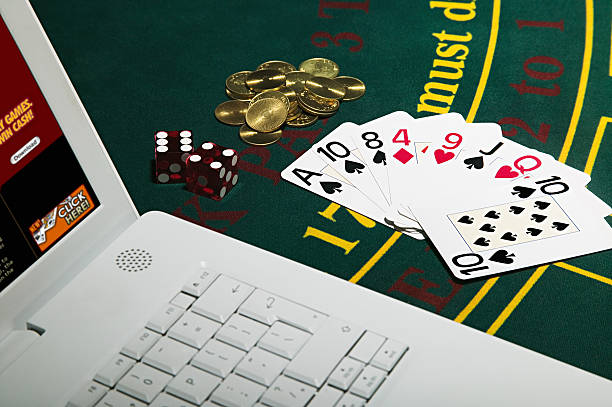
The unpredictable nature of luck can also create a psychological phenomenon known as “gambler’s fallacy,” where players mistakenly believe that past outcomes affect future results. This misunderstanding can lead players to make irrational decisions based on their belief in luck, often placing them in worse positions than if they relied on strategy or skill.
The Role of Skill in Gambling
While luck plays a significant role, skill is equally crucial in various forms of gambling, particularly in card games such as poker and blackjack. Skillful players often excel in making informed decisions based on the game’s dynamics. They can adapt their strategies according to their opponents’ moves and the evolving situation at the table. By understanding probability and employing techniques such as bluffing or card counting, players can tilt the odds in their favor, illustrating that success in gambling is often a combination of skill and luck.
Players who invest time in learning strategies and understanding the odds can significantly improve their chances of winning. These games require not only mathematical knowledge but also psychological skills, such as reading opponents and managing one’s own emotions.
Finding the Balance Between Luck and Skill
The optimal approach to gambling involves recognizing the balance between luck and skill. Successful players often understand that while luck can provide short-term wins, consistent success is usually achieved through skillful play. This realization encourages players to enhance their skills, thereby mitigating the effects of bad luck.
The Impact of Game Selection
The type of game chosen can significantly influence the balance of luck and skill in gambling. Games with a high degree of chance, such as slots, appeal to those looking for excitement without extensive knowledge. Selecting the right game that aligns with one’s skill set and risk appetite is essential. For example, a player with a good grasp of probability might excel in games that allow skill-based decision-making. Understanding the inherent nature of each game can help players make informed choices, maximizing their chances of success while minimizing reliance on luck.
Conversely, strategy-based games like poker or blackjack attract players who prefer a more calculated approach. The selection of such games allows players to utilize their skills effectively, thereby enhancing their overall gaming experience.

Exploring Gambling Resources
For those seeking to enhance their gambling experience, numerous resources are available to help bridge the gap between luck and skill. Online platforms provide tutorials, guides, and simulations that can help players develop their skills in a risk-free environment. By leveraging these resources, players can better understand the strategies that work best for them.
Additionally, engaging with communities of fellow gamblers can provide insights and tips that sharpen skills and provide fresh perspectives on games. Whether through forums or dedicated websites, the collective knowledge of experienced players can be invaluable for anyone looking to improve their gambling success.

Recent Comments